What's Up? - Ohio Skylights November 2026
Welcome to What's Up in November!
We’re starting off the month with the end of daylight saving time, meaning that on Sunday, November 1st at 2:00 a.m., the clocks turned back to 1:00 am, giving you an extra hour of sleep! From there, we start off with a sunrise time of 7:01 am and a sunset time of 5:29 pm. We’ll end the month with sunrise at 7:33 am and sunset at 5:07 pm.
This month there will be a full moon on November 24th, which is also a supermoon! A supermoon is when the full moon is at its closest point to Earth, making it appear bigger than normal! This moon is also known as the Beaver moon, as it’s when Native Americans would set beaver traps before the water would freeze over.
In terms of the planets, we start off with Mercury being at its greatest Western Elongation on November 20th. This is the best time to view Mercury since it will be highest above the horizon in the early hours of the morning, meaning the sky will still be dark! In other planetary news, Uranus will be at opposition on November 25th. This means that it will be at its closest to Earth, and its face will be lit up by the Sun, making it prime viewing time! Uranus will be up all night, but make sure your telescope is powerful; otherwise, you’ll only see a tiny blue-green dot!
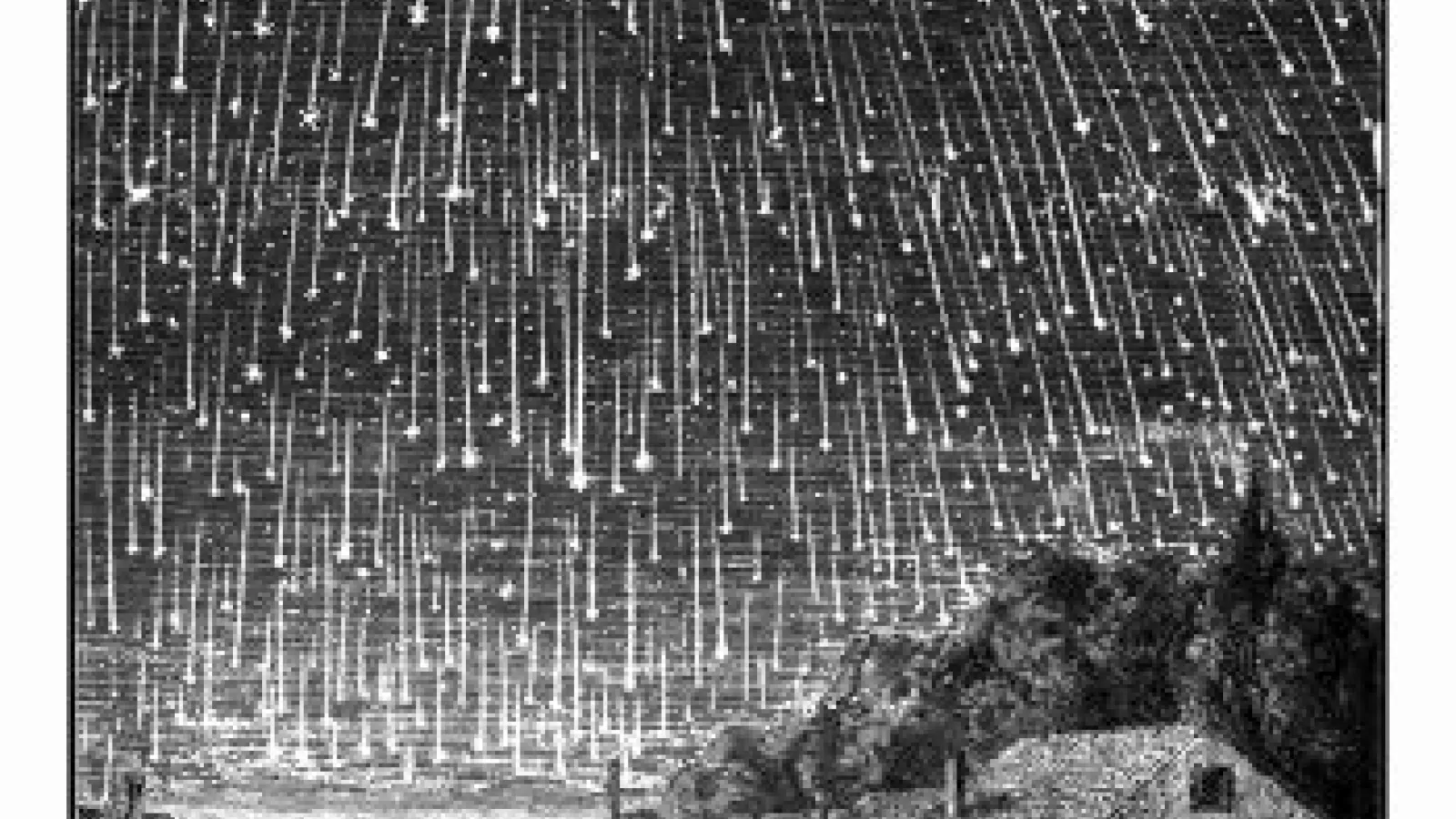
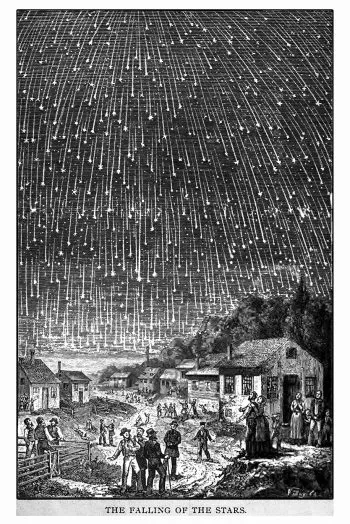
This month also holds two meteor showers! The Taurids meteor shower will peak on November 4th. While this shower only produces 5-10 meteors per hour, it’s highly interesting since the meteors are coming in two separate streams from two different objects! It’ll be visible after midnight, close to the constellation of Taurus. The second meteor shower this month is the Leonids shower. This shower will peak the night of the 17th and the morning of the 18th, producing up to 15 meteors an hour! Be mindful that the waxing gibbous moon might block the visibility of some meteors, but it will set by midnight, so viewing should be clear after that! This meteor shower has a cyclonic peak, so every 33 years the rate of meteors per hour can get into the hundreds! In 1833, there were reportedly tens of thousands of meteors per hour, dazzling people across the Eastern US! While the shower won’t get up to that level this year, it should still be a fun sight to see.
Happy observing!
Sources: